
Purpose in life: what it is and how to find yours
What purpose in life is, without clichés, why it sustains motivation and resilience, and practical ways to find yours.
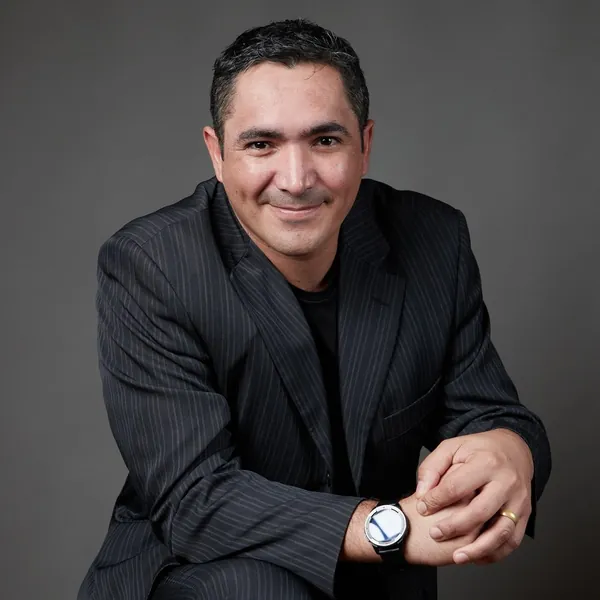 By Vagner SoaresPublished on , updated on . Reading time: 3 min.

“Find your purpose” has become a motivational cliché, and for that very reason many people dismiss the idea as too abstract. But behind the cliché there is something concrete and deeply practical: people with a clear sense of purpose are more resilient, more motivated and more satisfied. Purpose is not a bolt of lightning from the sky; it is something built and discovered through honest reflection.
In this article
What purpose in life is
Purpose is the answer to “why do I do what I do?”, the meaning that connects your actions to something that matters to you and, usually, beyond you. It doesn't have to be grand or save the world. It can be in raising children well, in doing excellent work that helps people, in teaching, in building something. What defines purpose is not its size, but the meaning it carries for you.
Why purpose matters so much
People with a clear “why” can bear much harder “hows”. Purpose is what sustains motivation when initial enthusiasm fades, energy when the work gets hard and resilience when things go wrong. It also guides decisions: when you know what matters, choosing gets simpler, because a larger criterion guides the way. Without purpose, success becomes a ladder leaning against the wrong wall.
Free Ikigai testDiscover your purpose with the Ikigai method: take the free test.
Myths about purpose
- “There is a single predestined purpose”: in reality, purpose can evolve over a lifetime and take several forms.
- “You either discover it in a flash of insight, or never”: purpose usually emerges from action and reflection, not from a magic moment.
- “Purpose is only about work”: it can be in many dimensions of life, not just in a career.
How to discover your purpose
- Notice where you lose track of time: the activities that absorb you point to what moves you.
- Identify what outrages you: what you won't accept in the world usually reveals what you value.
- Remember the moments of greatest meaning: when did you feel most alive and useful? What did they have in common?
- Cross what you love, what you do well and what the world needs: the intersection is fertile ground for purpose.
- Experiment and adjust: purpose is refined in practice, not just in the head.
Ikigai as a structured path
One of the most useful models for discovering purpose is Ikigai, a Japanese concept that crosses four dimensions: what you love, what you are good at, what the world needs and what you can be valued for. The intersection of these four areas points to a concrete path of purpose. Combined with self-knowledge and clarity about values, it turns an abstract question into practical direction, and it is the basis of sustainable self-leadership.
Purpose answers “where to go”. The compass that guides the hard choices along the way is something else: Spiritual Quotient, which has nothing to do with religion.
Purpose is also the most stable fuel of self-motivation, and what sustains the courage needed to leave the comfort zone when the path to it requires hard changes.
When this reflection points to a path different from the current one, the next step stops being philosophical and becomes practical: how to test the hypothesis and plan the crossing without acting on impulse, which is detailed in career transition.
Frequently asked questions
Is there a single purpose in life for each person?
Not necessarily. Purpose can evolve over a lifetime and take several forms at once. It is not a single, predetermined destination, but something built and refined through reflection and action.
Do I need to have a grand purpose?
No. What defines purpose is the meaning it carries for you, not its size. Raising children well, doing excellent work or teaching can be as legitimate purposes as any grand cause.
How does Ikigai help discover purpose?
Ikigai crosses four dimensions: what you love, what you do well, what the world needs and what you can be valued for. The intersection of these areas turns the abstract question “what is my purpose?” into a concrete direction.
Speaker, mentor and consultant in human development, communication and leadership. Has delivered talks and training at institutions such as SENAI Paraná, UNINTER, Caixa Econômica Federal and AEAC.
About the authorLinkedInBring this topic to your team
Tailored talks and training on leadership, communication and behavior, in person, online or hybrid.
 Self-knowledge and careerSelf-knowledge: what it is, why it matters and how to develop it
 Self-knowledge and careerSelf-esteem: what it is and how to really strengthen it
 LeadershipSelf-leadership: what it is and how to develop it